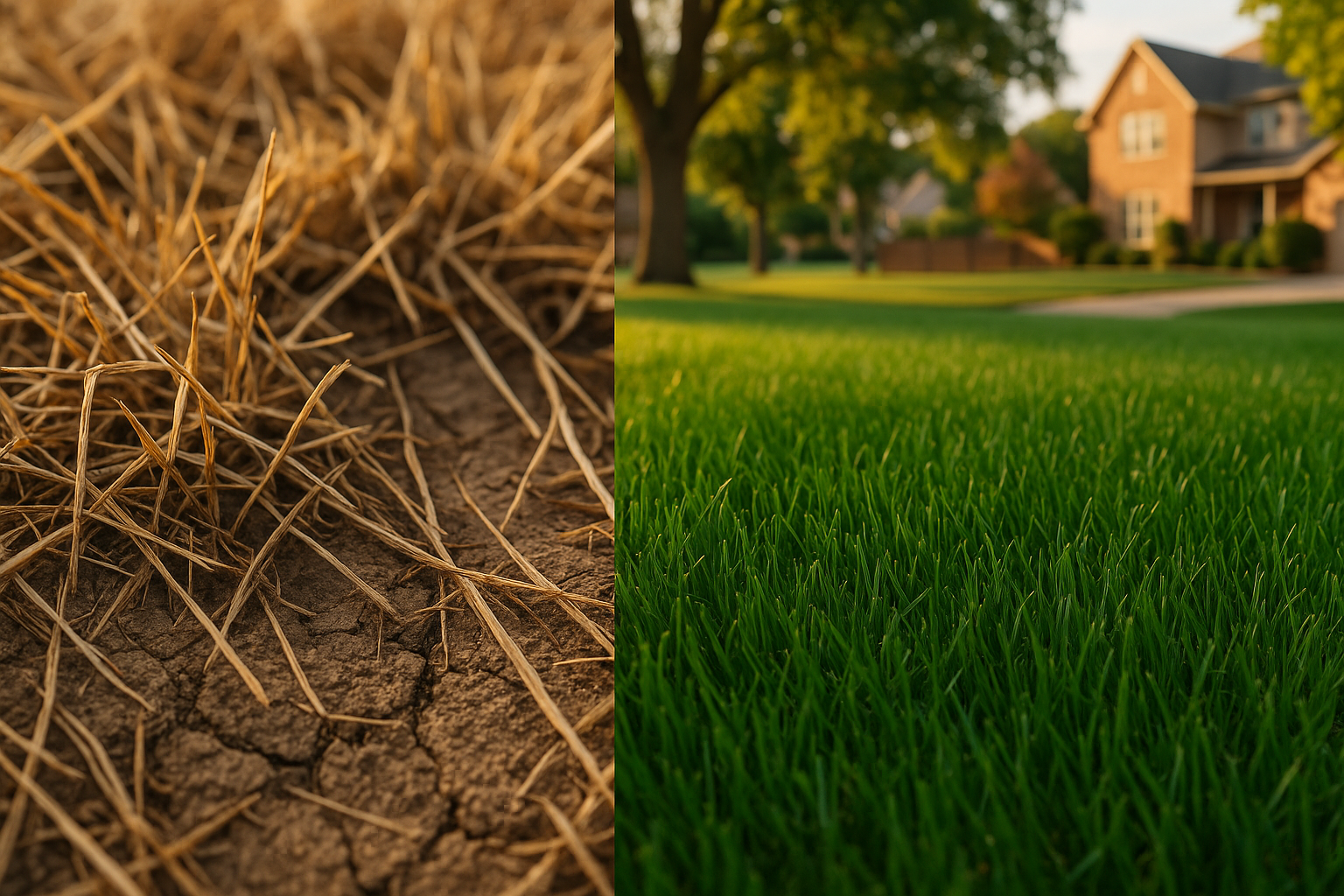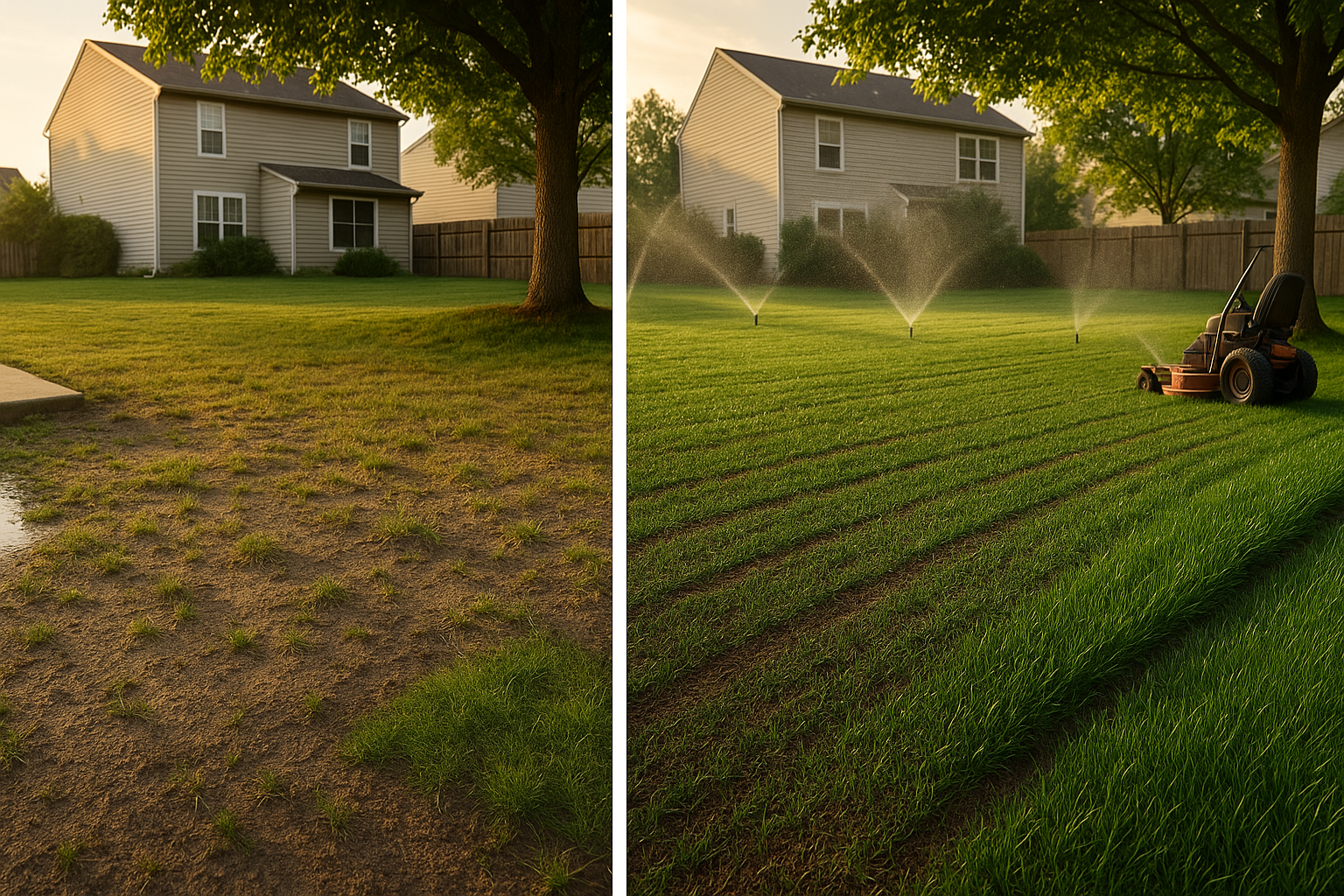
I remember standing in Greg’s yard over in Westfield last August—he was staring down at a lawn that looked more like a dirt patch with some greenish streaks. “I bought the expensive bag, the one that says ‘Sun & Shade.’ Watered it every day. And still, this,” he said, kicking a dry clump. Greg’s mistake wasn’t just the seed. It was timing, prep, and not matching the seed to what our Indiana soil and weather actually do. If you’re in Hamilton County or anywhere around Indianapolis, you know that struggle. But here’s the thing: getting that dark green, thick lawn isn’t rocket science. It’s just about picking the right grass, at the right time, and giving it a real start. So let’s talk about the best grass seed for Indiana lawns—what works, what doesn’t, and how to avoid being the next Greg.
What’s the Best Grass Seed Mix for Indiana Lawns?
You’ve seen the bags. “Contractor’s Mix” with a low price tag and big promises. But around here, those cheap blends often have annual ryegrass or coarse species that look decent for a month, then burn out by July. What actually works in Central Indiana is a cool-season blend built around turf-type tall fescue (TTTF). Why? It handles our hot, dry stretches way better than old pasture fescues, and it doesn’t wilt the moment a heat wave hits.
But a 100% fescue lawn can be slow to repair itself if a spot gets torn up by a dog or a kid’s bike. That’s where Kentucky bluegrass (KBG) comes in—just a little bit, like 5–20% in the mix. KBG spreads underground, filling in gaps without you having to reseed. So you get that self-healing perk without giving up the toughness of fescue. The best grass seed for Indiana lawns I’ve seen is an 80–95% TTTF blend with a splash of KBG, using NTEP-rated, endophyte-enhanced cultivars. Those endophytes are natural buddies that make the grass less tasty to insects, so you’re starting with built-in pest resistance.
And if you’ve got shade from maples or oaks? Don’t expect KBG to do much there. Under trees, you want fine fescues—hard fescue, chewings fescue, or red fescue—mixed with some shade-tolerant TTTF. That combo stays darker and tighter even with filtered sun. Avoid the rookie move of buying a single species bag; a blended seed mix gives you insurance against whatever your yard throws at it.
Tall Fescue vs Kentucky Bluegrass Indiana: Which Wins?
It’s not really a fight—it’s a partnership. TTTF gives you heat and drought muscle. KBG gives you color and repair. Alone, KBG demands more water and takes forever to germinate (up to three weeks). Alone, tall fescue can look a little clumpy if a patch dies. Together, they cover each other’s weak spots. For a sunny, open lawn in a neighborhood like Centennial or Brookside in Westfield, you can lean heavier on TTTF—even 95%. If you’ve got more foot traffic and want a treat for the eyes, bump the KBG to 15–20%.
When to Seed and Overseed in Indiana (And Why Fall Rules)
Ask any local lawn nut and they’ll tell you: mid-August through late September is prime time. The soil’s still warm, so seed germinates fast—tall fescue in 7–14 days, KBG in 14–21+, and any perennial rye you threw in for quick cover in just 5–7 days. Meanwhile, the air is cooling off, so those baby blades won’t fry in 90-degree sun. Plus, weeds like crabgrass are winding down, so your new grass gets the space to root deep before winter.
Spring seeding (late March–April) can work as a backup, but it’s a gamble. You’re racing against a ticking bomb of summer heat and spring weed flushes. If you go that route, plan on watering more and fighting off a lot of competition. Dormant seeding—sowing seed after the soil gets too cold for germination, usually late fall or early winter—is another option. The seed just sits there and pops up naturally in early spring. It’s a low-pressure play, but timing has to be right so it doesn’t sprout during a false warm-up. For most folks, fall is the safest bet.
Prepping That Stubborn Indiana Clay
Westfield dirt isn’t dirt—it’s clay. Heavy, sticky, hard-as-a-rock clay. Newer subdivisions especially have compacted soil from all the construction traffic. Tossing seed on top of that is like trying to grow hair on a bowling ball. You need to give those seeds a fighting chance.
Core aeration pulls out little plugs and opens up the surface. Then when you spread seed, a bunch of it falls into those holes—direct seed-to-soil contact. Even better, slit seeding cuts tiny grooves into the soil and drops the seed right in. It’s the gold standard for overseeding thin lawns. You can rent the machines, but honestly, after one afternoon of manhandling an aerator over 5,000 square feet, you’ll understand why it’s a top request for a landscaper.
Before you even open a seed bag, do a soil test. Kits are cheap, and the results tell you exactly what your pH and nutrients look like. Target a pH of 6.0–7.0. If you’re low, pelletized lime is a slow fix; if you’re high, elemental sulfur helps. This isn’t stuff you guess at—a soil test takes the mystery out. While you’re at it, if you’ve got old concrete edging or a patio that’s sinking and creating wet spots, that standing water is a nursery for fungus. A concrete contractor can re-level slabs to keep moisture moving away from your grass.
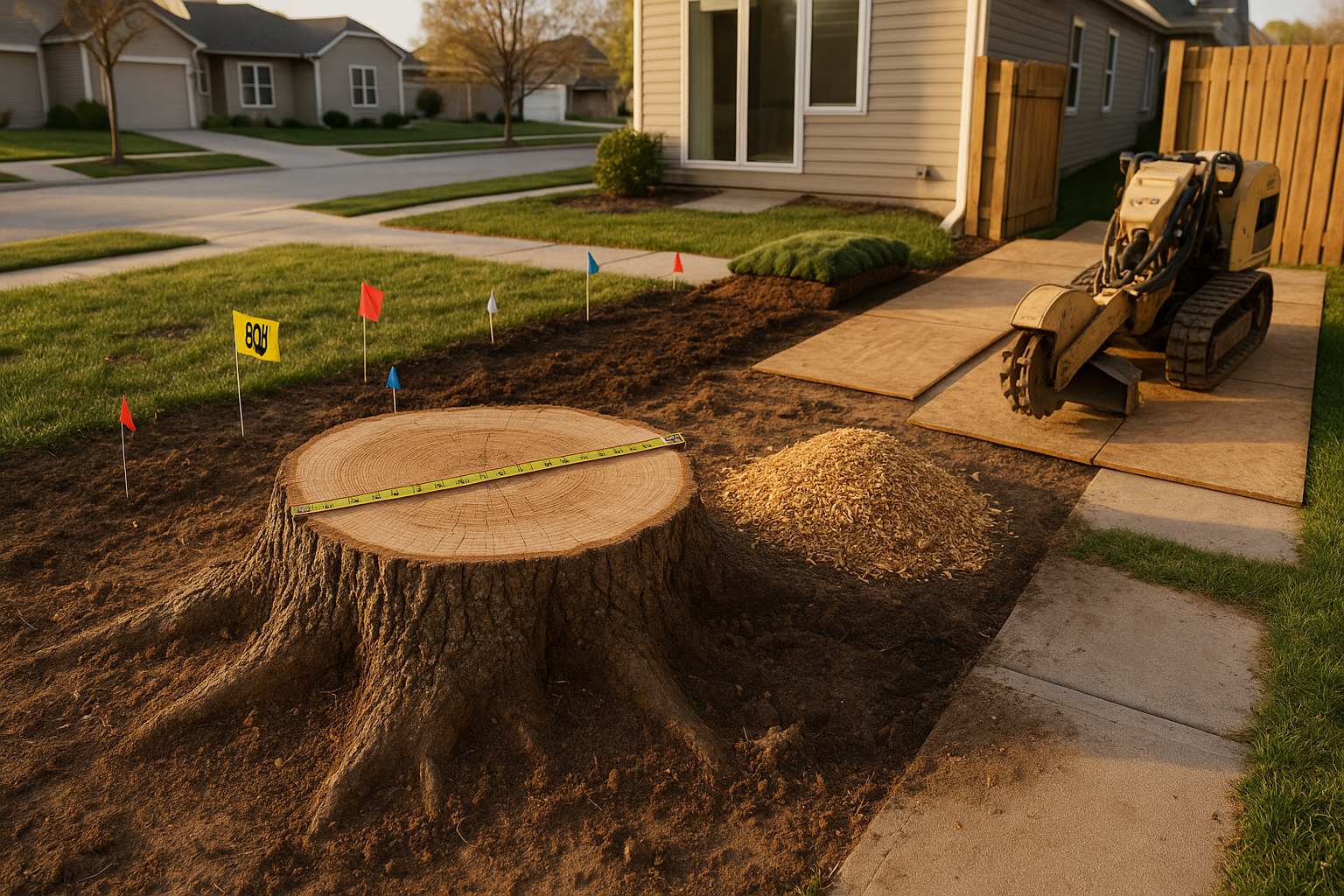
And those big, beautiful shade trees? Love ’em, but they can steal every drop of sunlight. A tree service can raise the canopy a bit—limbing up lower branches—so early light snakes through. It’s amazing what a little pruning does for turf underneath.
Watering, Feeding, and Mowing for Success
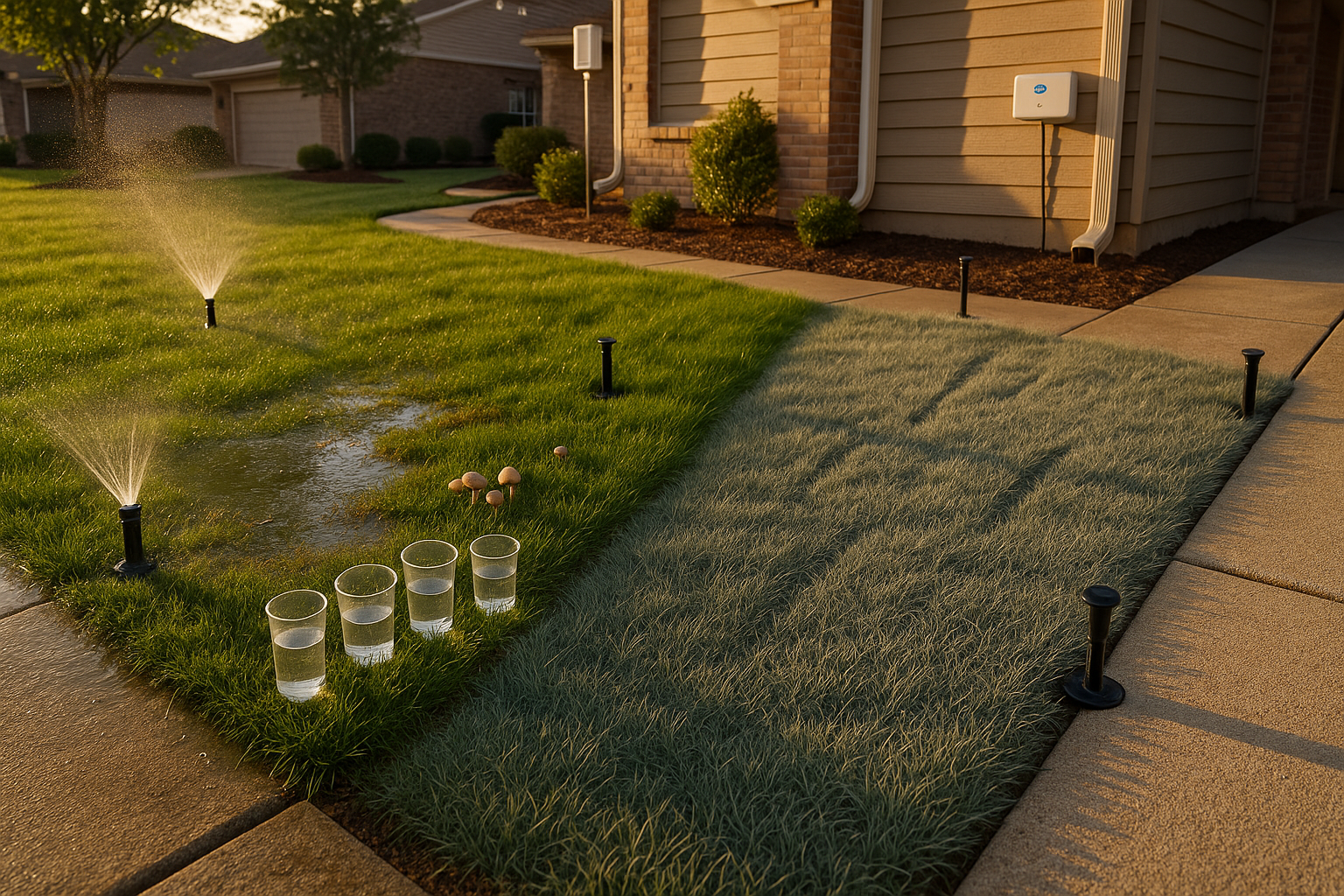
New seed is fragile. Keep the surface consistently moist until you see a solid stand. That means light sprinkles two or three times a day if it’s warm and sunny. Once the grass hits mowing height (about 3.5–4 inches), switch to deeper, less frequent watering—every other day, then twice a week. Overwatering sets you up for fungus, especially brown patch that hits tall fescue in July and August. If you’ve got an irrigation system, it’s a huge help, but double-check the heads and scheduling. A quick walk-through with an irrigation installer can fine-tune things so you’re not blasting seed out of the grooves. Check out our guide on drip irrigation vs sprinklers if you’re thinking upgrades.
For fertilizer, a starter fertilizer right after seeding gives roots a quick energy boost. But don’t go nuts with nitrogen later—heavy feeding in late spring or summer can feed brown patch. The schedule we like for Westfield: a slow-release nitrogen in late fall (November), a light feeding in May, and maybe one more in early September. Take a look at our fertilization timing guide to nail the plan. If you’re working on a bare spot near a driveway or walkway, a handyman can help with edging repairs so the seed doesn’t wash onto the pavement every time it rains.
Mow tall. Set your deck to 3.5–4 inches, and never cut off more than a third of the blade at once. That height shades the soil, crowds out weeds, and lets fescue stay cool. In shady areas, lean toward 4 inches. Your lawn will look plusher and need less water.
Common Problems (And How to Sidestep Them)
Shade seeding issues: If you’ve got a north-facing yard lined with maples, ditch the KBG dreams. A fine fescue and TTTF blend is your friend. And overseeding every fall keeps it thick since shade makes grass thin out faster.
Pet traffic and rough play: Today’s TTTF cultivars aren’t the coarse blades your grandfather had. They’re bred for better texture and toughness. A little KBG in the mix also creates a denser mat that stands up to dog runs and kids’ games. Choose a blend specifically labeled for high traffic.
Brown patch: It’s the boogeyman in humid Indiana summers. Pick TTTF cultivars rated for high brown-patch tolerance (look on the NTEP lists). Don’t water in the evening, and never dump nitrogen during hot, sticky weather. If you see circles forming, pause the sprinkler and let things dry out a bit.
Overseeding in Westfield neighborhoods: If you’re in an HOA with appearance standards, you want a seamless match. The key is using the same blend you already have or upgrading to a premium mix that complements it. A slit seeder gets the new seed into the existing turf without tearing up the whole yard. Fall overseeding (mid-August to late-September) fills in thin spots before the leaves start dropping—and speaking of leaves, have a fall cleanup plan ready so wet leaves don’t smother those seedlings in October.
What about clay soil making germination a flop? It won’t if you prep right. Core aeration plus a light topdressing of screened compost gives those seeds a soft, moist bed to root into. Over time, that compost also conditions the clay, so your whole lawn gets easier to maintain. We’ve got more on that in our Indiana clay soil drainage post.
Ready to Stop Guessing?
Greg’s yard? He called us that week. We soil-tested, aerated, and slit-seeded a TTTF/KBG blend the third week of August. By mid-October, his lawn looked like a golf fairway. He still talks about it.
If you’re tired of staring at bare patches or wondering if a big-box bag will fail you again, let’s build a plan that fits your yard—sun, shade, kids, pets, clay, all of it. We’ll figure out the best grass seed for Indiana lawns that matches your exact spot, then set up the watering, feeding, and over-seeding schedule so it sticks. Grab a free assessment and instant quote at IndyGreen’s quote page. No smoke, no mirrors—just a lawn that finally makes sense.
Need one crew for the whole property?
Next-day irrigation and single-source landscaping, hardscape, tree, and handyman service across greater Indianapolis. Free estimates.