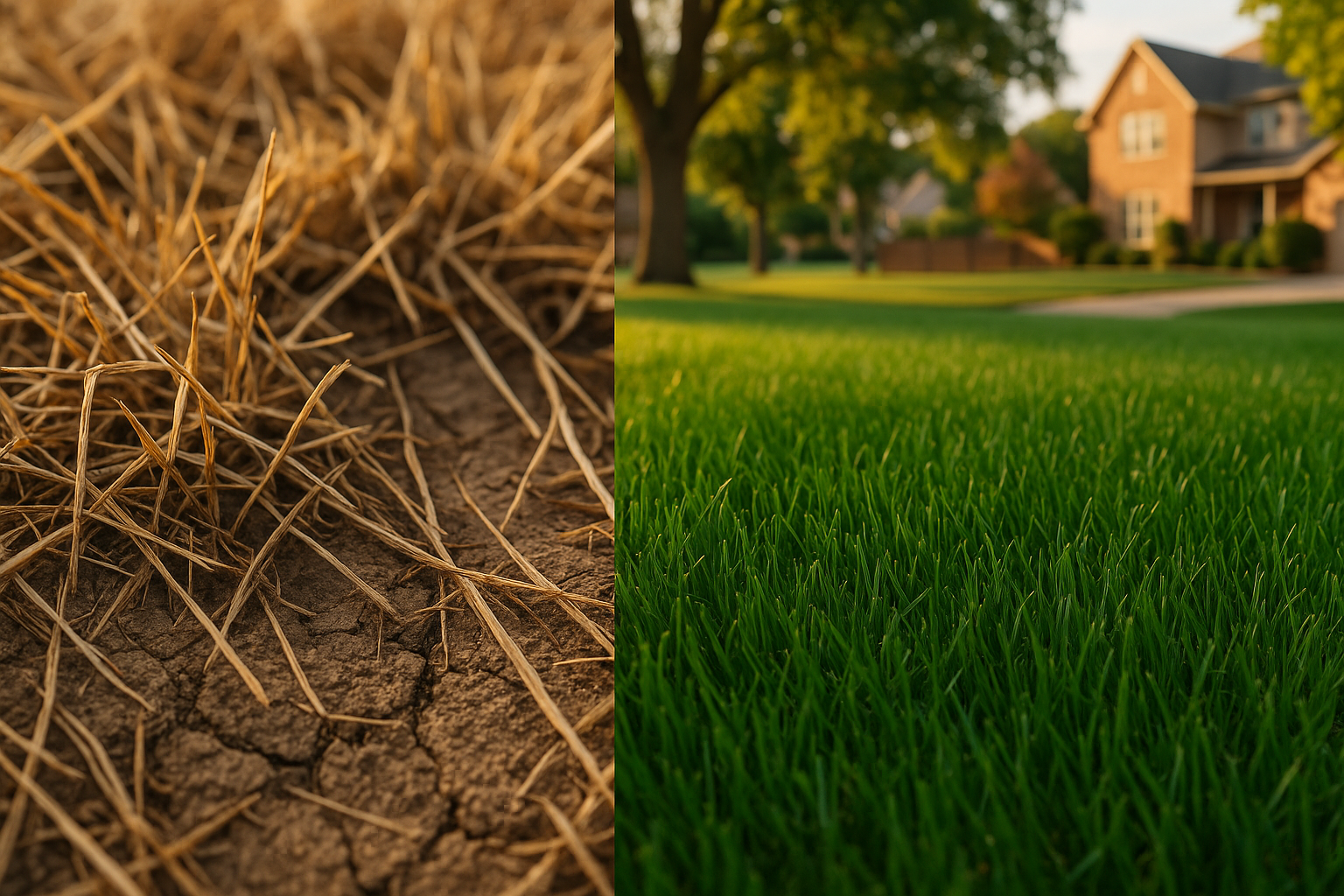
The first summer my neighbor Mike dropped a few grand on new sod, he called me in a near panic. He’d been running his sprinklers for 20 minutes every single evening—religious about it—but by late August, half his front yard looked like crispy bacon and the other half had mushrooms popping up. He figured more water meant healthier grass, but Indianapolis clay soil had other plans.
Turns out, almost every homeowner around here wrestles with the same question sooner or later: how often to water lawn Indianapolis turf without turning it into a swamp or a desert? The short answer? Most weeks a cool-season lawn (tall fescue, bluegrass, rye) needs about 1 to 1.5 inches of water total—rainfall included—spread across two or three soakings. When a heat wave hits central Indiana, you might nudge that up a bit. When thunderstorms dump an inch on a Tuesday, you can skip the sprinklers entirely. But the real magic isn’t in the minutes—it’s in how you apply that water.
How Much Water Does Your Indy Lawn Actually Need?
Forget the “15 minutes per zone” guesswork. That’s the fast track to dead patches and a water bill that makes you wince. A decent rule of thumb for Indianapolis is 1 to 1.5 inches per week in peak growing season, but that number wobbles depending on your exact microclimate. Sunny south-facing slopes bake harder than a shaded lot in Meridian-Kessler, and hardscape heat from a concrete driveway in Avon or Brownsburg can suck extra moisture right out of the soil along the edges. If you’ve got clay (and let’s be real, you probably do), the ground soaks up water slower than a teenager waking up for school—so you gotta work with it, not against it.
The Best Time to Water (And Why It Matters)
Early morning—somewhere between 4 a.m. and 9 a.m.—is your sweet spot. Wind is usually lighter then, temps are cooler, and water has a chance to seep down before the sun starts evaporating it. Evening watering is tempting, especially after a long day, but damp grass all night is basically a welcome mat for fungus and dollar spot disease. I’ve seen more lawns in Fishers and Carmel turned into moldy messes by 10 p.m. sprinkler runs than by drought. Stick to the morning, and your grass will thank you.
Clay Soil? Here’s How to Water Without Wasting a Drop
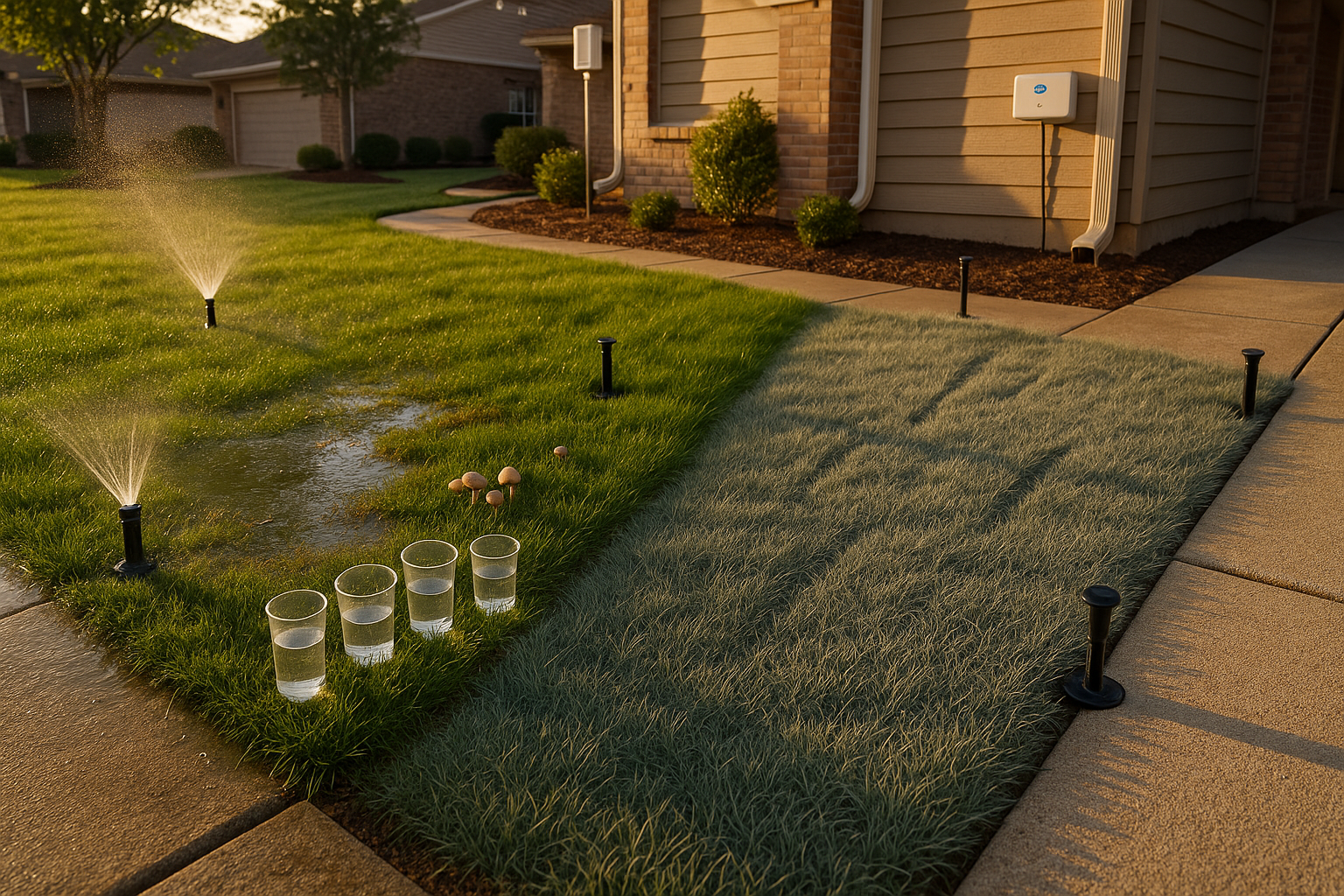
Hard, compacted clay doesn’t drink fast—it sips. If you dump a full inch of water on it all at once, most of it runs down the street or pools in low spots. That’s where cycle-and-soak comes in. Break your total runtime into two or three shorter cycles about 30 minutes apart. For spray heads (the little ones that pop up and fan out), you might run 5 to 8 minutes, pause, then hit them again. Rotor heads (the ones that turn slowly) might need 10 to 15 minutes per cycle. The goal is to let each mini-drink soak in before adding more. Over time, this trains roots to dive deeper—which means you can go longer between waterings. If you want to get nerdy about it, do a catch cup test on your lawn. Set out tuna cans or straight-sided cups, run a zone for a set time, and measure how much water actually landed. Then dial in your minutes based on real output, not a wild guess.
Smart Controllers and Rain Sensors: Let Technology Do the Work
Tweaking runtimes every time the weather shifts is a chore nobody has time for. A smart irrigation controller pulls local weather data and adjusts automatically—so during a rainy spell in Westfield or Zionsville, it’ll scale back. Pair it with a functioning rain sensor (mounted where trees don’t block it) and you won’t be the neighbor whose system runs full blast during a downpour. It’s not just convenient; it saves serious money on your water bill over a summer. And if the city or your HOA announces watering restrictions, a smart setup makes compliance painless.
New Lawn? Sod and Seed Need Extra TLC
Newly sodded yards in Greenwood or Plainfield are babies—they need light, frequent sips at first, not deep drinks. Right after install, you might water two or three times a day for short bursts to keep the sod from drying out. After about a week, gradually stretch out the gaps and lengthen the sessions to encourage roots to chase moisture downward. New seed is even needier: multiple quick mistings daily until germination, then slowly weaning to a normal deep-and-infrequent rhythm. Ignore this and you’ll watch your investment shrivel up, no exaggeration.
Is Your Lawn Thirsty or Drowning? Tell-Tale Signs
Overwatering isn’t just wasteful—it breeds disease and shallow roots. If your turf feels squishy underfoot, smells a little funky, or you see algae or mushrooms, ease off. Underwatering shows up as a bluish-gray tint, leaf blades that fold in half like tiny tacos, and footprints that stay visible hours later. One trick: walk across the lawn. If the grass springs back, you’re okay. If it lays flat, you’re behind on water. Brown spots in late summer often mean a mix of both—some zones starved, others drowned—because a one-size-fits-all schedule just doesn’t work.
The Bigger Picture: Landscaping, Concrete, Trees, and Handy Fixes
Your lawn doesn’t live in a bubble. The way your whole yard is set up changes how water behaves. That’s where a few different trades come in, and knowing who to call can save you a headache.
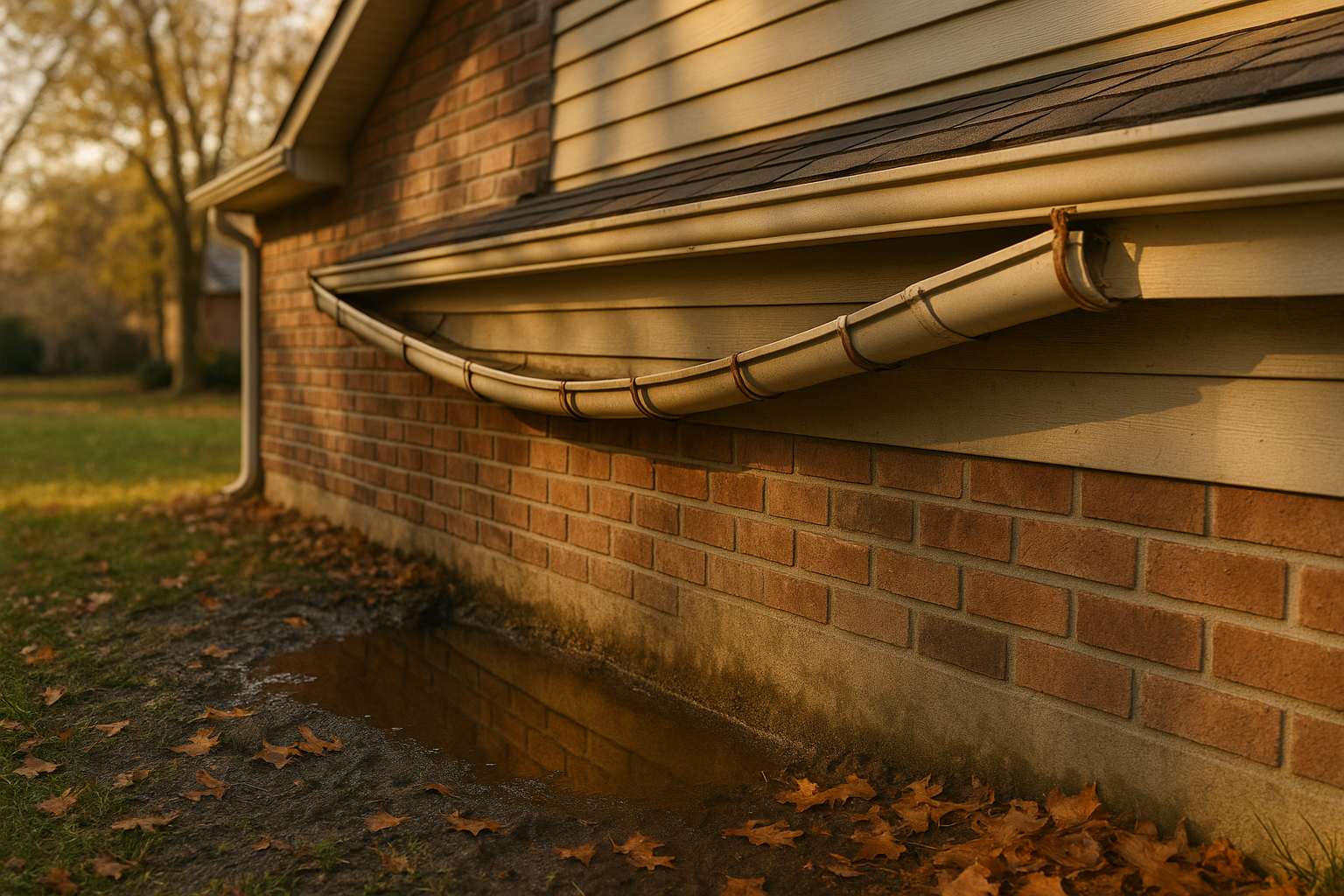
Landscaping & grading: If flower beds or mulched areas sit between thirsty turf and the street, a smart drip system can water them without wasting spray. Poor yard grading—common in older Indianapolis neighborhoods—sends runoff toward your foundation. A landscaping pro can reshape slopes and direct water where it belongs. (We’ve seen simple fixes like adding a swale make a bigger difference than doubling runtimes.)
Concrete and hardscapes: Driveways, patios, and walkways heat up and reflect sunlight, drying out the grass next to them twice as fast. If you’ve got a long concrete walk in Lawrence or Noblesville, edge zones might need slightly more water or even a separate schedule. Also, shifting concrete can pinch or break underground sprinkler lines—something a concrete contractor can spot while addressing cracks or settling.
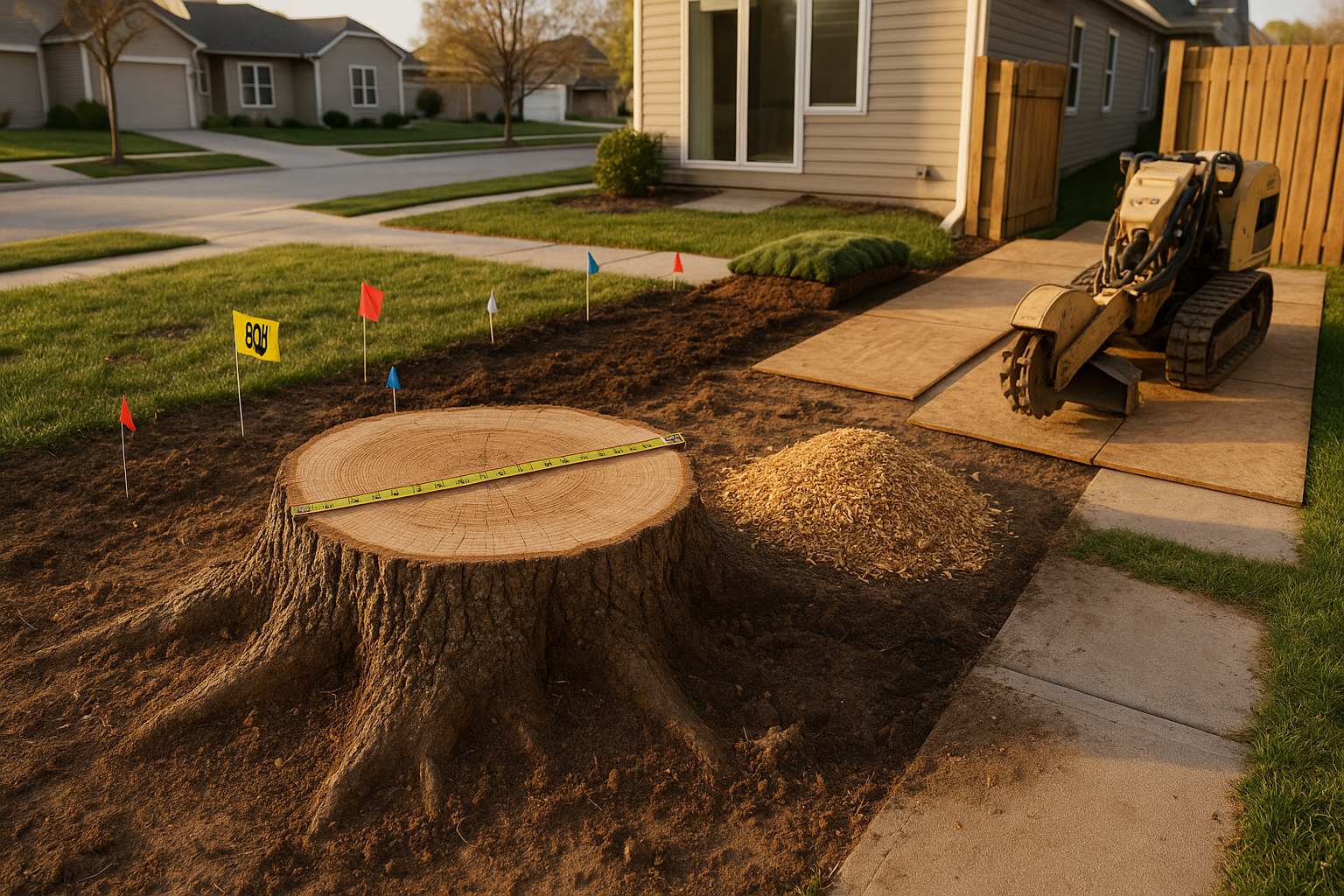
Tree service: Big maples and oaks throw dense shade, so understory grass needs less water. But tree roots compete for moisture, too. If a patch under a mature tree is always parched, the tree might be winning the battle. A tree service can prune to let more light through, or advise on root barriers that protect both the tree and your turf.
Handyman help: Not every sprinkler problem needs a full-blown irrigation crew. A handy person can adjust crooked spray heads, replace a broken nozzle, or install a simple hose-timer if you’re still dragging sprinklers around. Small tweaks like popping a rain sensor back onto its mounting bracket or clearing a clogged filter are quick wins most weekend warriors can handle.
Let’s Get Your System Dialed In
Even with all this know-how, nailing the perfect Indianapolis lawn watering schedule takes a little trial and error—and sometimes an extra pair of eyes helps. IndyGreen can come out, run a full system audit, measure your catch cups, check pressure, and program everything to match your yard’s unique quirks. We’ll even set up a smart controller so you barely have to think about it again. If you’re tired of guessing or your water bill is creeping up, grab a fast quote and schedule a tune-up right here. Let’s make your lawn the one the neighborhood envies, without throwing money down the drain.
Need one crew for the whole property?
Next-day irrigation and single-source landscaping, hardscape, tree, and handyman service across greater Indianapolis. Free estimates.