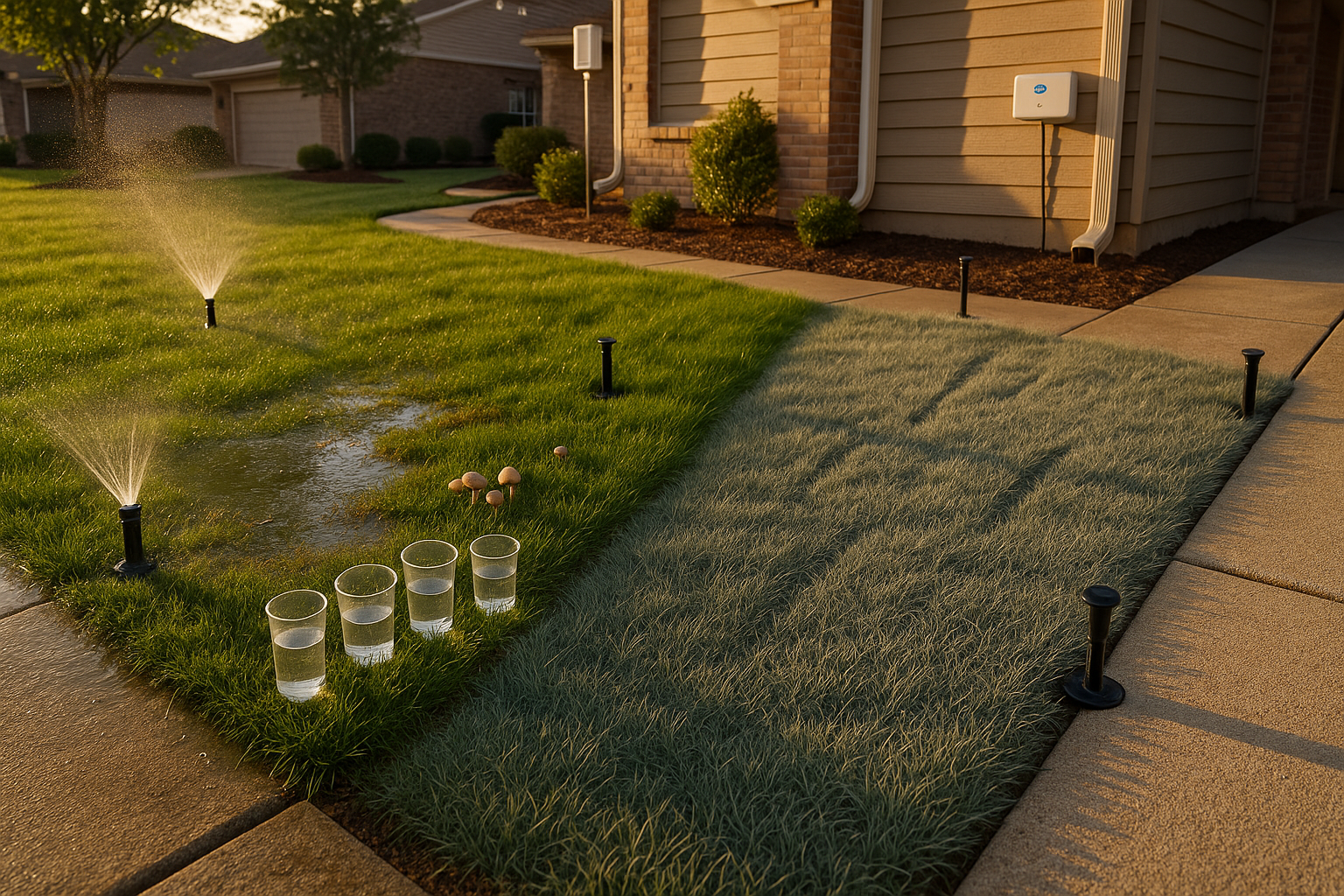
My neighbor Dave found out the hard way. Last November he figured his sprinkler system would be fine—he’d shut the water off inside and drained what he could. Come March, after a few thaw days, his backyard was a squishy mess. A cracked manifold and two split pipes later, the repair bill was over eight hundred bucks. A simple blowout would’ve cost him a fraction of that. Around here, where the frost line digs down about 30 inches, you can’t just cross your fingers. If you’re looking to really understand how to winterize irrigation system Indiana, you’ve landed in the right spot.
Winterizing isn’t just draining water; it’s getting every last drop out of the lines so that freeze-thaw cycle—so common in Carmel, Fishers, and across central Indiana—doesn’t turn your pipes into a underground ice bomb.
Why Indiana Freezes Are Tough on Sprinklers
If you really want to know how to winterize irrigation system Indiana, first understand what you’re up against. Our clay soil around here holds moisture like a sponge. When that water freezes deep down, it expands and cracks anything in its path—PVC pipes, poly lines, and especially those above-grade backflow preventers. I’ve seen neighbors in neighborhoods like WestClay and Home Place come out to a geyser in April because their PVB cracked over winter. And if water seeps under a sidewalk or driveway, the heave can crack that concrete, too. That’s a headache no one wants, and a concrete contractor won’t be cheap to fix what a blowout could’ve prevented.
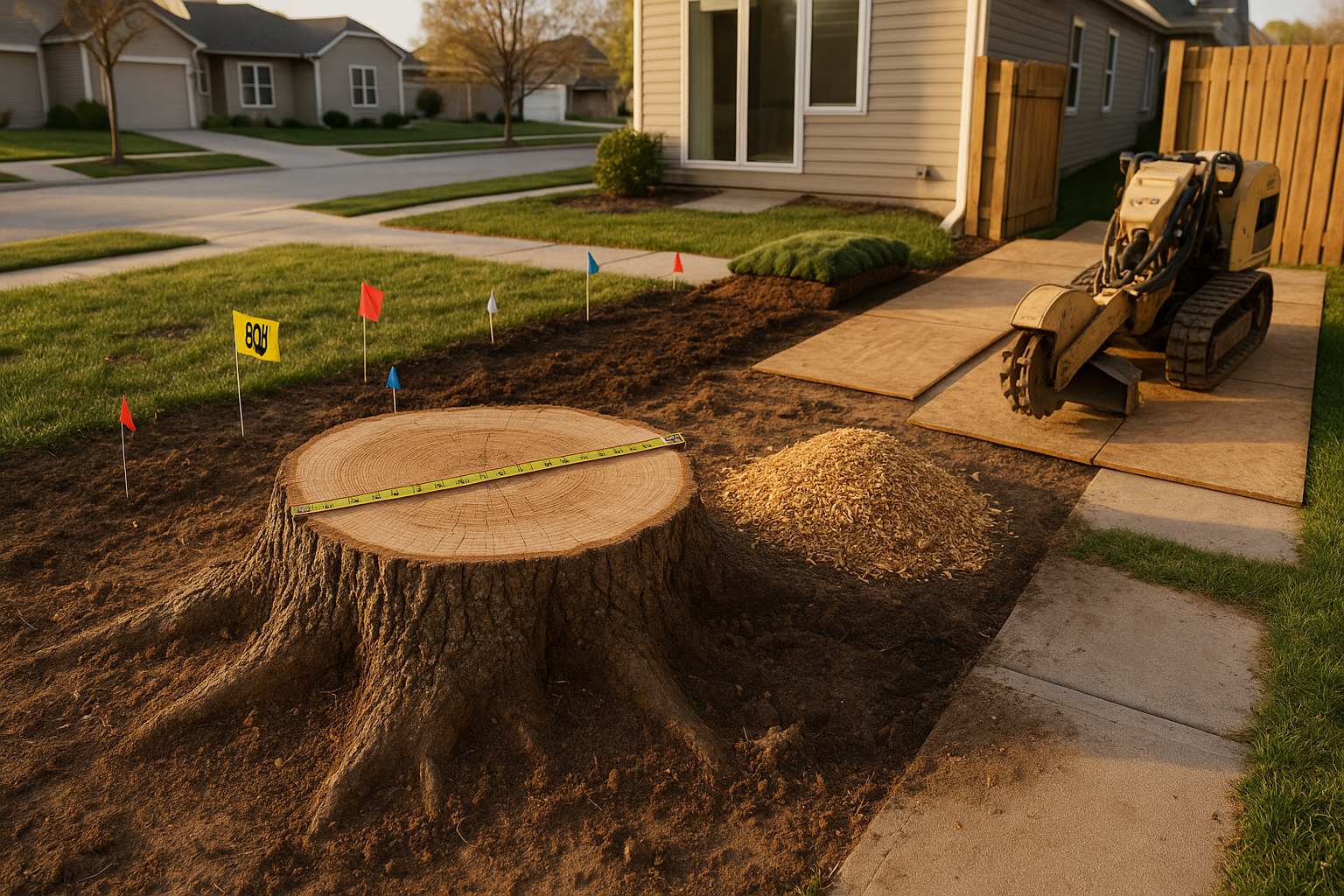
While you’re at it, big tree roots can sneak into irrigation lines and make freeze damage worse. If you notice a zone that’s been struggling, maybe have a tree service take a look before spring. Better to catch it now than deal with a burst line later.
When to Schedule Your Blowout in Central Indiana
Carmel’s first hard freeze (sustained lows around 28°F) usually hits mid-October to early November. Don’t wait until the leaves are all down and the snow’s on its way. Ideally, you get it done right after your final leaf cleanup—when your landscaper has cleared the lawn so valve boxes and heads are easy to spot. In places like Noblesville or Westfield, wind chill can drop temps fast, so earlier is smarter.
For a full timeline, our Indianapolis lawn care calendar runs through what to do each month.
The Right Way to Winterize: Step by Step
Shut Off the Water and Drain the Backflow
Start inside: find your irrigation’s main shutoff (usually in the basement or crawl space) and close it. Then go to the backflow preventer out by the house—those RPZ or PVB assemblies—and close both valves. Open the little test cocks to let water drain out; leave them open all winter. The backflow is the most expensive single part to replace, so treat it right. For Indiana winters, a breathable insulated cover is your friend. Don’t wrap it in plastic—that traps moisture and does more harm.
Hook Up a Real Compressor (Not That Pancake Thing)
Here’s where a lot of DIYers go wrong. You need high CFM—10 to 20 cubic feet per minute at 40 to 80 PSI. Those little pancake compressors from the garage? They can’t push enough air volume to clear water from long laterals. CFM is what moves the water; PSI just gives it the muscle. For poly lines, run around 40–55 PSI; PVC can handle 50–65 PSI. Drip zones need a gentle 25–35 PSI.
Connect your compressor to the blowout port (a quick-connect fitting) on the manifold. Start with the zone farthest from the house, then work your way back. Cycle each zone in 2 or 3 short bursts—maybe 30 seconds each time—until only mist comes out. Let the heads cool between passes so you don’t melt seals. Running a zone too long under air will heat things up and ruin rotors.
Don’t Skip the Drip Lines
Drip irrigation is finicky. Too much pressure pops emitters right off. Open any end flush caps first, then blow gently. Keep it under 35 PSI and go even shorter on cycle time. I’ve seen more than one person blast their drip apart because they forgot to turn the regulator down.
Set Your Controller to Off (And Forget About It)
Smart controllers like Rachio or Hunter have a winter mode, but that only stops scheduling—it doesn’t get water out of pipes. Set it to “Off” or “Winter,” disable any rain sensors, and put a reminder to yourself for spring start-up. The controller isn’t magic; it still needs you to do the physical work.
DIY or Call a Pro? What’s the Real Cost?
You can maybe do it yourself, but ask: do you have the right compressor? Most small shop compressors just don’t cut it. I’ve heard of guys trying to use a handyman’s compressor, only to leave water in the low spots. Come April, they’re digging up their yard. A professional blowout around here typically runs between $70 and $150, depending on zones. Compare that to a new backflow assembly (upwards of $500) or repairing a burst manifold—it’s no contest. Plus, pros bring the right fittings, know the sequence for mixed PVC and poly systems, and can handle tricky drip zones without damage.
And if you’ve got mature trees near your lines, you might want a tree service to check for root intrusion. Winter’s a good time because the ground is soft enough to probe but frozen in spots, making it easier to see problem areas. Similarly, if you’ve had any concrete work done near irrigation—say a new patio or walkway—a concrete contractor might have nicked a line. A pro winterization can catch that before it freezes and causes a big crack.
If you’re in a pinch and need help fast, take a look at what next-day irrigation really means—we get it done without cutting corners.
After the Blowout: Simple Aftercare
Leave those test cocks open. Fit a breathable insulated cover over the backflow—no plastic bags. Take a photo of the setup in its winter state so you remember what’s what in spring. Also, don’t forget to schedule your backflow testing early. Many Indiana municipalities require an annual test, and spring slots fill up quick.
If you’d rather not gamble with a shop compressor and a half-baked YouTube tutorial, let IndyGreen handle your winterization. We serve Carmel, Indianapolis, Fishers, Greenwood—pretty much everywhere in the metro. We’ll time the blowout right, use proper PSI for each zone, and make sure your backflow is buttoned up for the cold. Just head to our quote page and snag a morning or afternoon slot before the frost hits. Better safe than a swampy spring.
Need one crew for the whole property?
Next-day irrigation and single-source landscaping, hardscape, tree, and handyman service across greater Indianapolis. Free estimates.