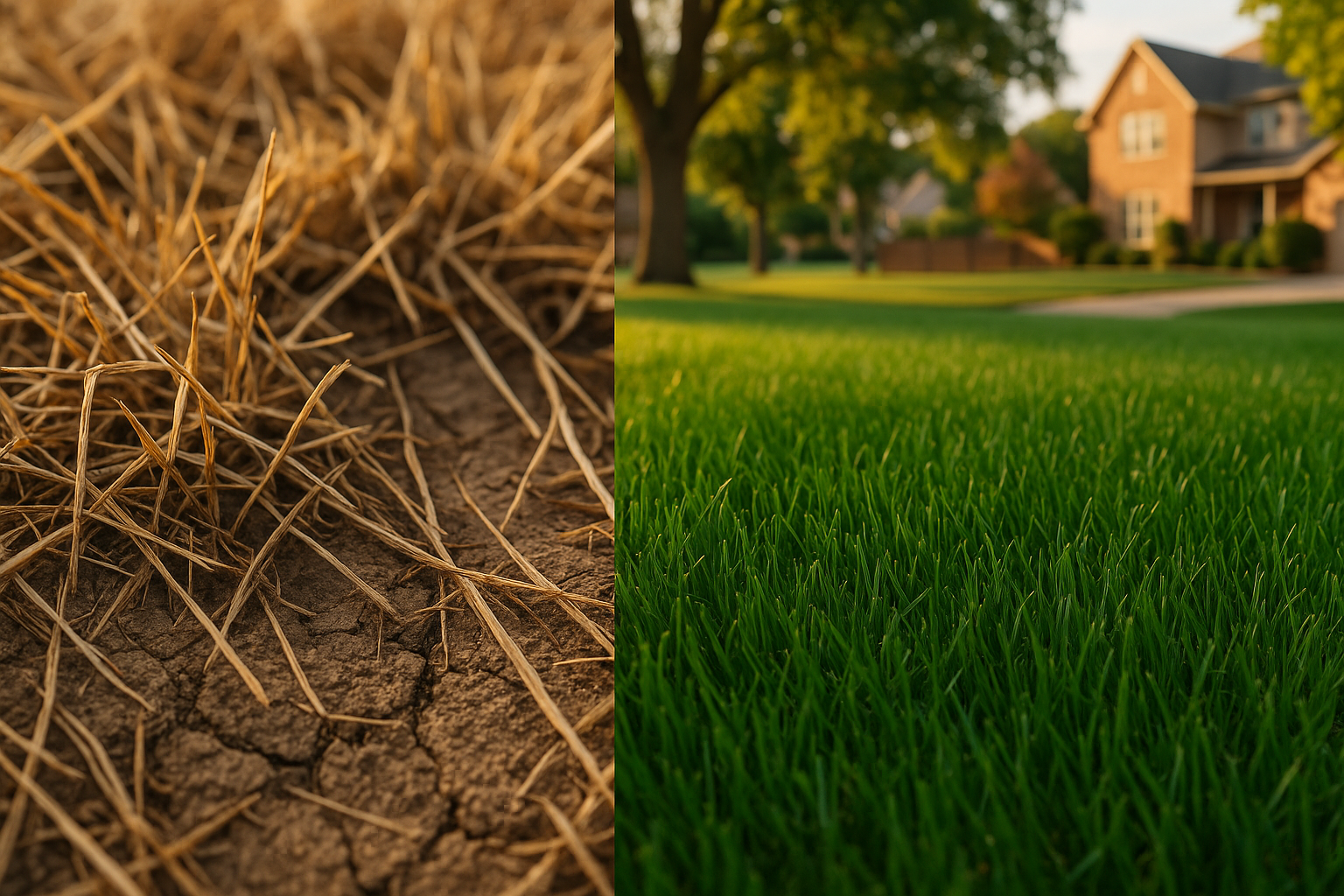
Last spring, a homeowner in Carmel called me after a long, frustrating winter. His concrete driveway had cracked and spalled so badly that chunks were lifting, leaving a rough surface that held snow and ice. He spent hours chipping away with a plastic shovel, worried about damaging it further. "I'm tired of patching and sealing. Is there something that just works?" he asked. That's a question I hear all the time around Indianapolis, and it usually comes down to one choice: concrete or pavers.
Let's be real about costs first. In the Indianapolis metro—including places like Fishers, Zionsville, and Greenwood—a broom-finish concrete driveway typically runs $8 to $14 per square foot. Stamped concrete? That jumps to $14–$24 per square foot. Pavers land between $18 and $35+ per square foot, with permeable versions going as high as $40+. For a standard two-car driveway (about 600–800 square feet), you're looking at $5k–$11k for broom concrete, $9k–$17k for stamped, and $11k–$28k for pavers. Those numbers depend on access, base depth, borders, and any drainage fixes needed.
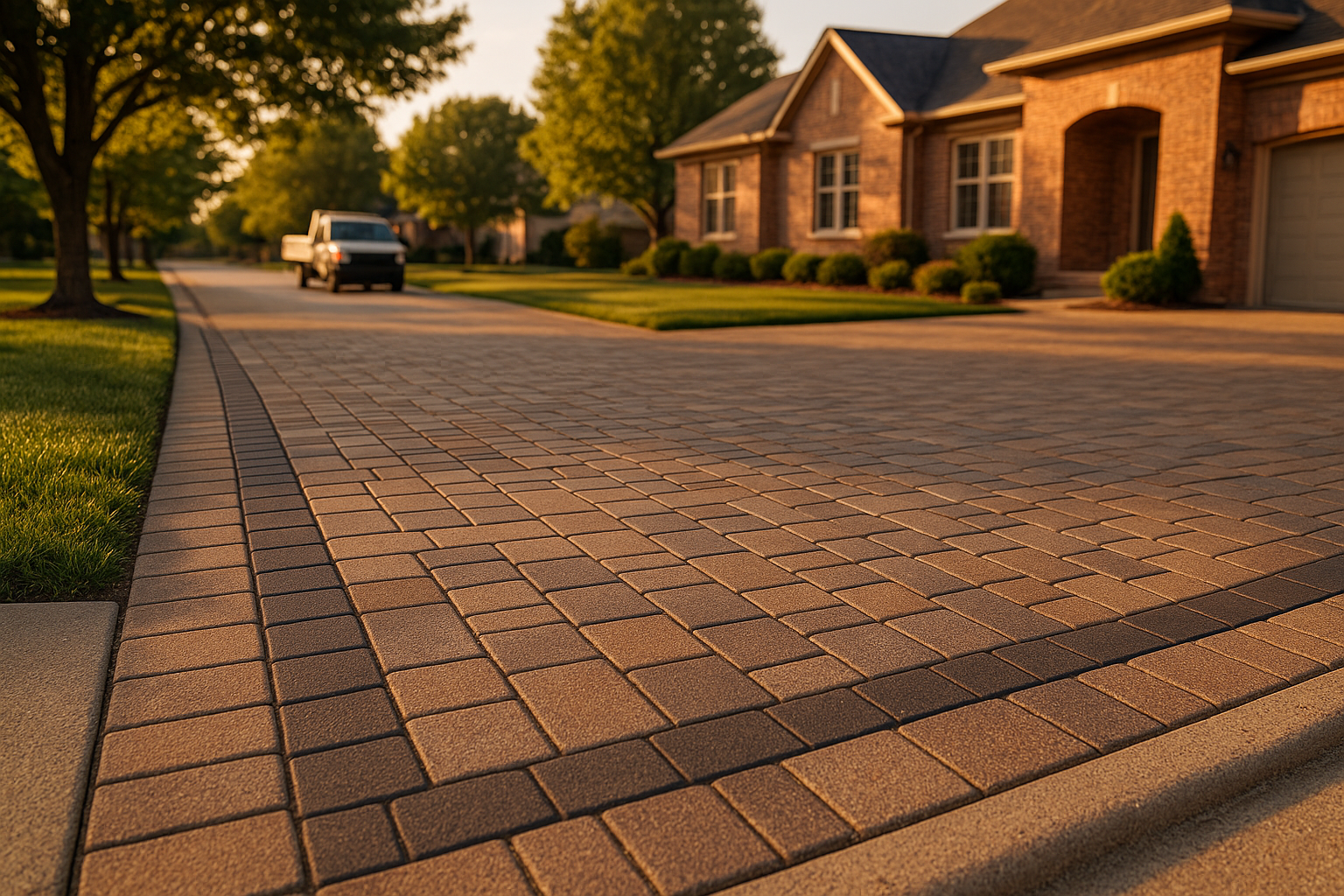
So why would anyone pay more for pavers? A big reason is winter. Central Indiana's freeze-thaw cycles can wreck concrete. Our clay-heavy soils expand when wet and push slabs around. Concrete cracks and scales, especially if de-icing salt gets into the surface. Pavers handle movement better because they're individual units—they shift a little and settle back without breaking. And if one does sink, you can pull it out, re-level the base, and pop it back in, instead of cutting out a whole slab and repouring.
I remember a guy in Broad Ripple whose driveway was a cracked mess every March. He went with concrete because it was cheaper, but after three years of patching, he wished he'd spent more upfront. A good concrete driveway—properly mixed, reinforced, sealed, and well-drained—can last a long time. But many new builds skimp on the base or forget control joints, and then we blame the material. It's not the material, it's the install.
That's where a local contractor who understands Indianapolis soil matters. When IndyGreen does a site assessment, we check drainage, compaction, and subgrade first. On flat lots with clay, we often recommend deeper base prep—8 to 12 inches of crushed #53 aggregate for pavers, or at least 6 inches of compacted stone under concrete. It adds to the cost up front, but it prevents heaving and cracking down the road.
Now let's talk maintenance. Concrete needs sealing every 2–3 years, especially to resist salt. Joints need to be kept clear. Cracks will happen, and repair isn't always pretty—you can see the patch. Pavers also need some care: polymeric sand in the joints settles over time and needs topping up, and you might want to seal them for easier cleaning and color enhancement. But if a paver stains or cracks, just swap it out. No big deal.
One thing homeowners often worry about is weeds between pavers. If the joints are filled with good polymeric sand and sealed or compacted properly, weeds have a hard time taking hold. And snow removal? Use a blower or plastic-edge shovel—don't let the blade gouge the surface. On stamped concrete, be especially careful because the texture can get damaged.
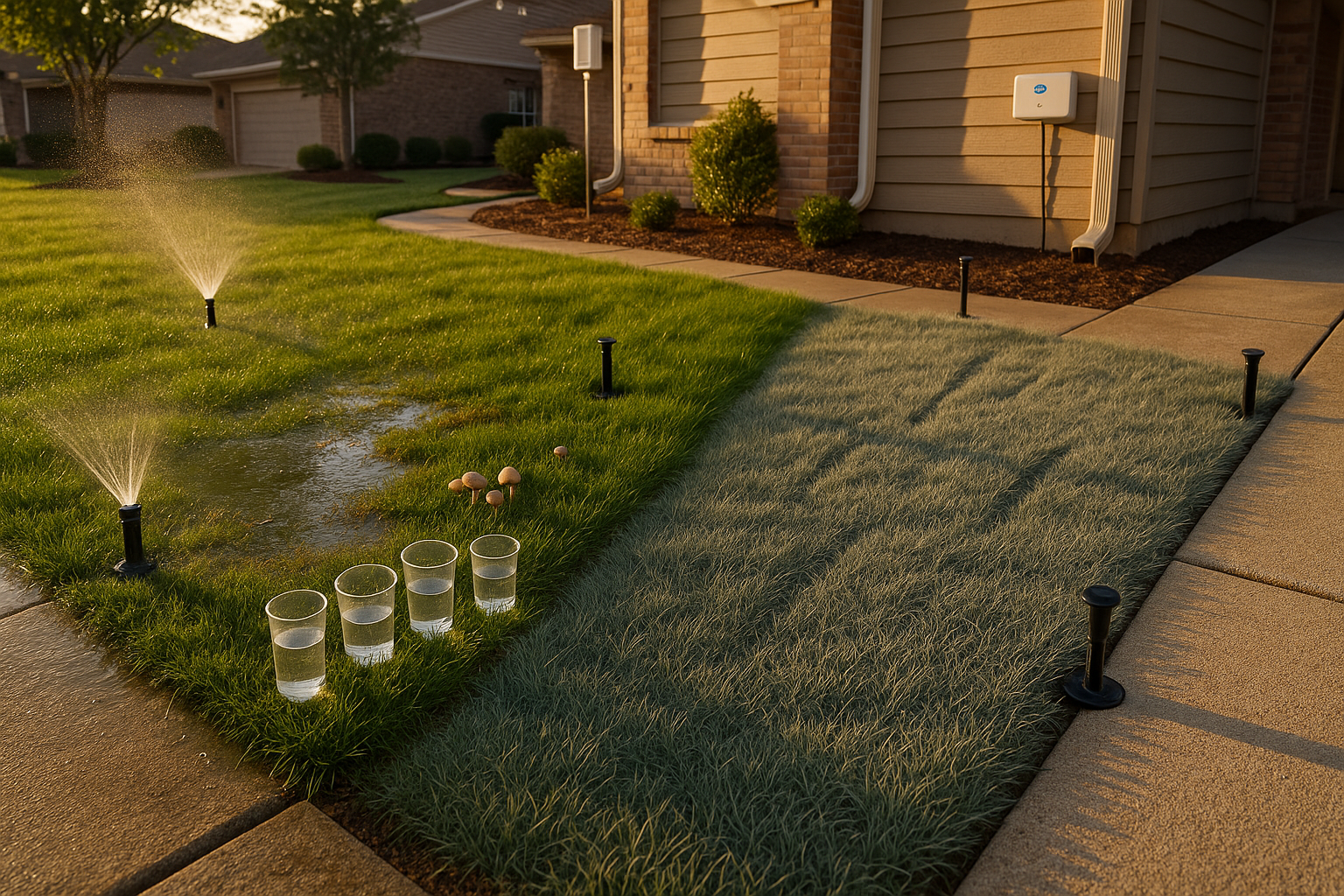
Drainage is another local issue. In neighborhoods like Meridian-Kessler, older lots often have poor grading. Standard pavers and concrete are impermeable, so water has to go somewhere. We add drains or crown the driveway to shed water away from the garage. Permeable pavers let water pass through into an open-graded base, which can reduce runoff. They cost more, but if you have drainage issues, they might be worth it. And don't forget: if your driveway apron or right-of-way work is needed, Indianapolis DPW may require a permit and inspection. That adds time but ensures it meets city standards.
If you're in an HOA like those in Carmel, Fishers, Westfield, or Zionsville, check your guidelines. Some HOAs require specific paver colors or patterns, or they restrict stamped concrete. Bring a sample or photo to your meeting. It's easier than replacing a whole driveway because someone didn't approve the style.
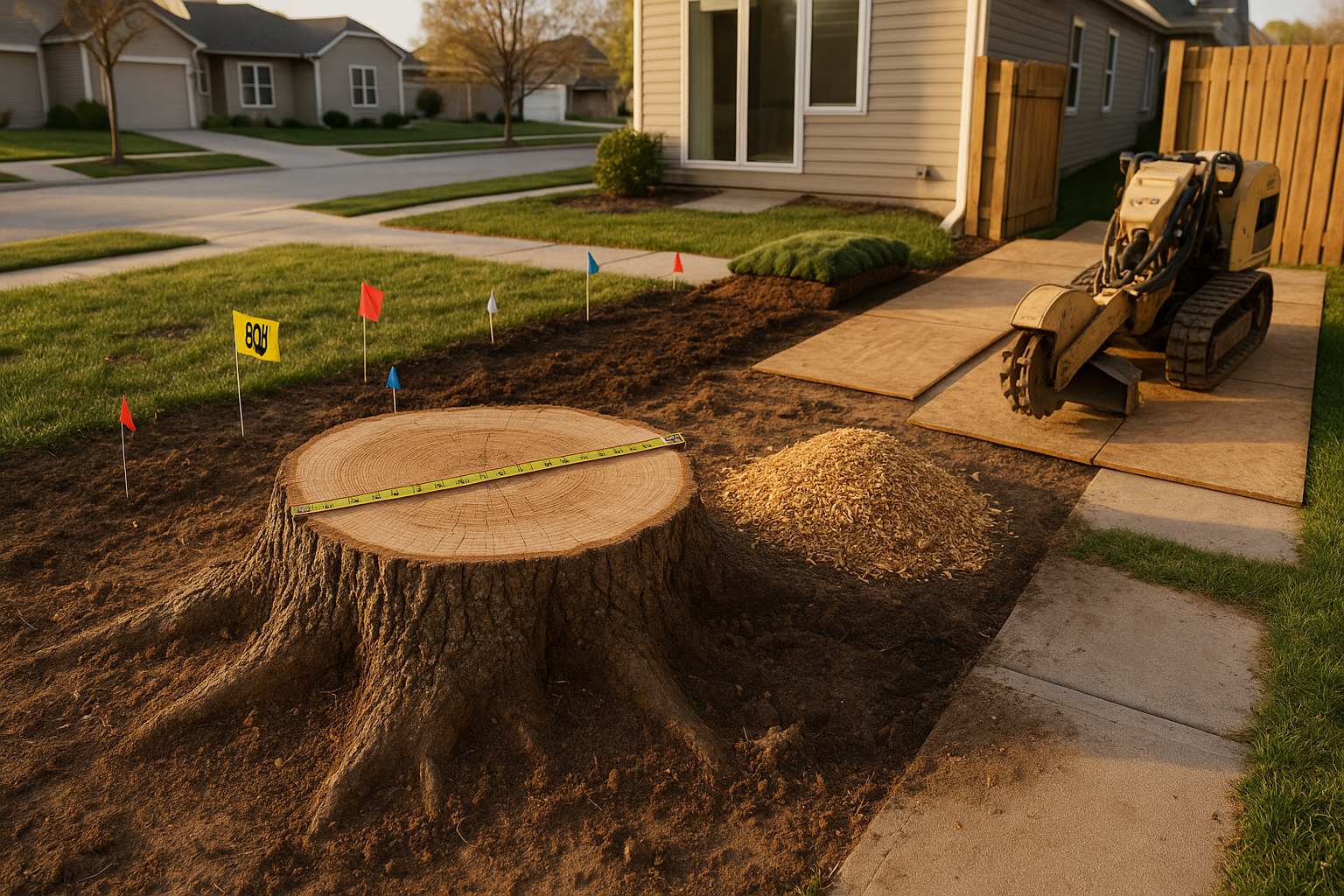
From a landscaping perspective, the driveway sets the tone for your whole yard. Pavers offer design flexibility—borders, patterns, contrasting colors. They boost curb appeal and resale value. Concrete can also look good with stamping and staining, but it's more limited. A tree service or handyman might need to work around your driveway for root protection or repairs; pavers make it easier to remove and replace a section without ruining the whole surface.
Winter traction matters. Broom-finish concrete gives decent grip. Stamped concrete can be slippery when wet or icy unless it's textured and sealed with a non-slip additive. Pavers naturally have texture from the joints and paver surface, so they tend to be safer.
So what's the bottom line? If you want the lowest upfront cost and don't mind some maintenance, go with concrete. If you want durability, easy repairs, and long-term curb appeal, pavers are a smart investment despite the higher initial price. Either way, make sure you get a thorough site assessment and a written quote that includes demo, base prep, apron work, and any drainage fixes.
At IndyGreen, we start with a planning-first walkthrough. We check your soil, grade, drainage, and access. Then we give you a clear line-item quote with options. Most driveway replacements take 3–7 working days, depending on size and weather. We also talk about warranties and what to expect so you're not surprised.
If you're comparing paver vs concrete driveway costs in Indianapolis and want a straight answer, schedule a consultation with us. We'll help you weigh the tradeoffs and pick what fits your home and budget.
FAQ
- What is the average cost to replace a driveway with pavers in Indianapolis?
- Typically $18–$35+ per square foot installed, depending on pattern, base depth, and access.
- How much does a concrete driveway cost per square foot in Indianapolis?
- Broom finish: $8–$14; stamped: $14–$24 per square foot.
- Is a paver driveway worth the higher upfront cost long term?
- Many homeowners find it pays off because repairs are simpler and the driveway looks good longer.
- Do I need a permit to replace my driveway or apron in Indianapolis?
- Work within the right-of-way often requires a permit from Indianapolis DPW. We handle that.
- How do freeze-thaw cycles affect concrete vs pavers?
- Concrete can crack and scale; pavers flex individually and survive better.
- Are permeable pavers a good option for drainage on flat lots?
- Yes, but they need a deeper base and periodic vacuuming. They're great where runoff is a problem.
- What base depth do you recommend for driveways in Indianapolis?
- 8–12 inches of compacted aggregate for pavers; 6 inches for concrete.
- How soon can I drive on new concrete vs new pavers?
- Concrete: usually 5–7 days for light vehicles. Pavers: immediately after compaction and sanding.
- Will de-icing salt damage my driveway surface?
- Yes, especially on concrete if not sealed. Use calcium chloride instead of sodium chloride and seal regularly.
- How do you prevent weeds in paver joints?
- Use polymeric sand and compact it well. Reseal every few years if needed.
- Can you repair a small settled area in a paver driveway?
- Yes, lift the affected pavers, add or remove base material, and put them back. No demolition.
- What's included in an IndyGreen driveway quote?
- Demo, base prep, edging, installation of your choice (pavers or concrete), apron work, joint filling, sealing if included, and cleanup.
Need one crew for the whole property?
Next-day irrigation and single-source landscaping, hardscape, tree, and handyman service across greater Indianapolis. Free estimates.