A couple years back, a buddy in Carmel called me in a panic. It was late April, his lawn was half crabgrass, and he had no idea when to put down pre-emergent. He'd missed the window—again. I told him, "You need a schedule, not a guess." That conversation stuck with me. So here's a no-nonsense Indianapolis lawn care schedule, built for our cool-season fescue and bluegrass, with all the little details that save you headaches.
February–March: Prep & First Pre-Emergent
Late winter is when you wake up your yard. Start with a clean-up—pick up twigs, leaves, and winter debris. Sharpen your mower blade (dull blades shred grass, invite disease). And do a soil test. Indianapolis clay soils often need lime or phosphorus; a test tells you exactly what to add. You can grab a kit at any local nursery, or hire a pro.
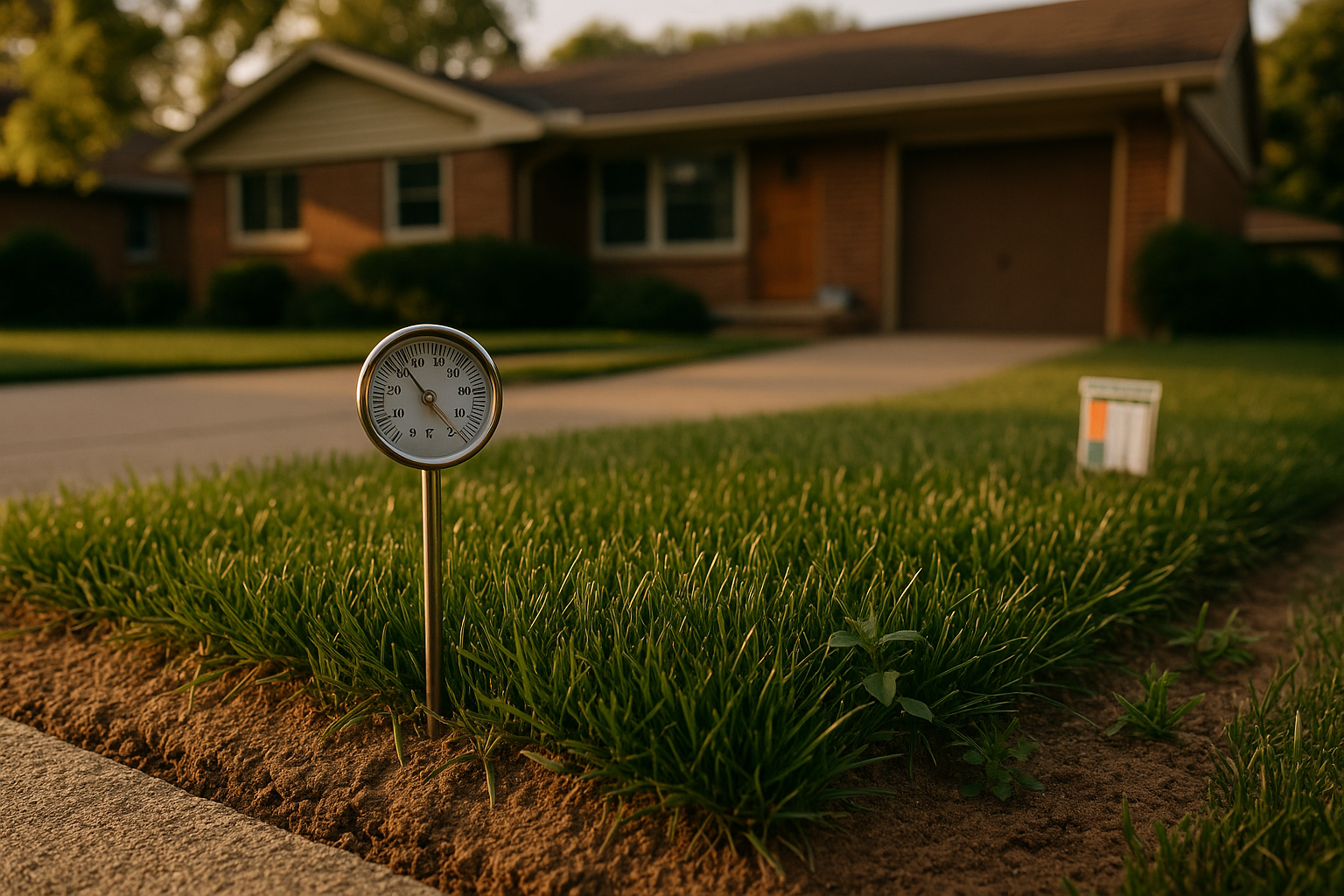
Once soil temps hit 50–55°F (usually late March), apply your first pre-emergent for crabgrass. Split the application: half now, half 6–8 weeks later. That covers the full germination window. If you miss this, you'll be pulling crabgrass all summer. A landscaper can handle the timing if you don't want to watch soil thermometers.
April: Fertilize & Mow Right
April means growth kicks in. Apply a slow-release fertilizer—something with nitrogen that feeds for 6–8 weeks. And mow at 3–3.5 inches. Taller grass shades out weeds and grows deeper roots. One friend in Fishers always mowed too short in spring and wondered why her lawn was patchy by July. The one-third rule: never cut off more than a third of the blade.
Early April is also prime time for post-emergent broadleaf weed control—dandelions, clover, ground ivy. Spot-treat instead of blanketing the whole yard. A tree service crew I know in Zionsville told me they see more weed pressure when soil is compacted. Aerification helps, but that's a fall job.
May: Second Pre-Emergent & Watering Check
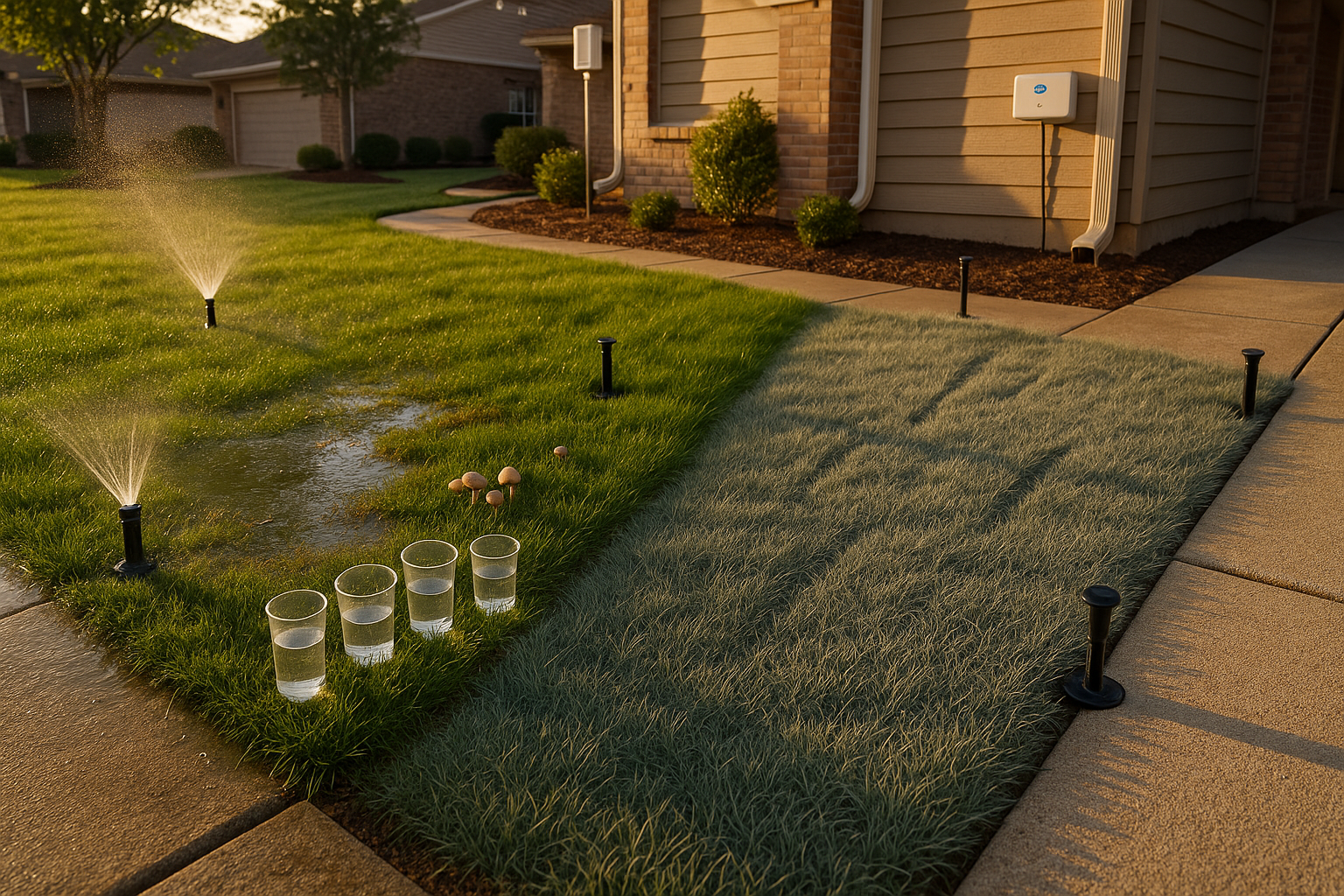
If you split your pre-emergent, apply the second half now. Also test your irrigation system. Most cool-season lawns need about 1 inch of water per week—including rain. Use a rain gauge. If your sprinkler runs 30 minutes but puts down only 0.2 inches, you're wasting time. A handyman can adjust heads or fix leaks if needed.
June: Grub Control & Raise the Mower
June is the preventive grub control window in Indy. One application of a product with chlorantraniliprole or imidacloprid works if done before eggs hatch. Also raise your mowing deck to 3.5–4 inches. Taller grass protects the crown from heat. Hot, humid stretches raise Brown Patch risk—mow higher, water morning only, and avoid nitrogen until cooler weather.
July: Stress Management
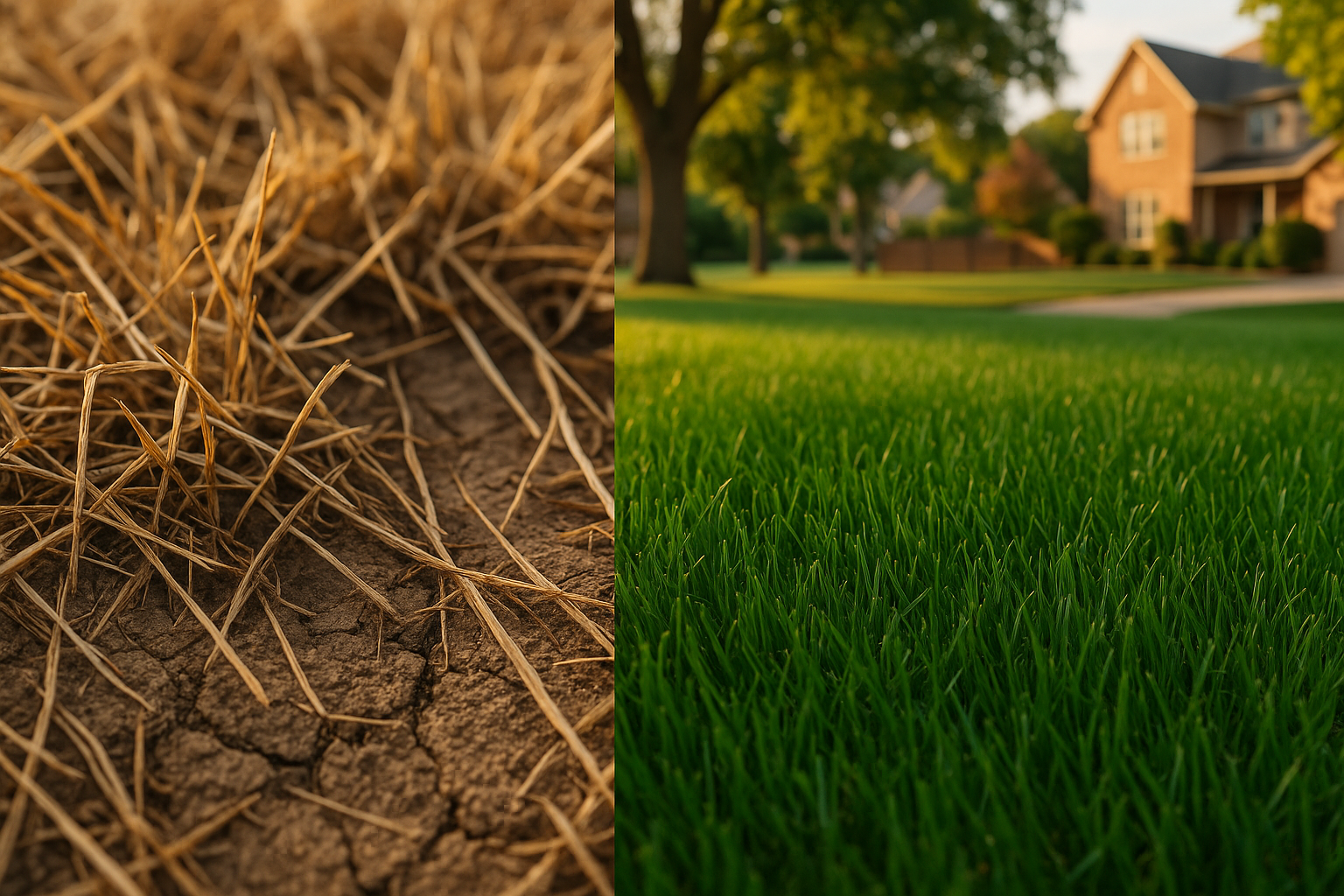
July in Indianapolis is brutal. Lawns go dormant if you don't water enough. Deep, infrequent watering (1–1.5 inches per week) early in the morning is best. Avoid evening watering—that invites fungus. If your lawn goes dormant, let it rest; don't overwater to force green. It'll bounce back in September.
August: Plan for Fall
Keep mowing high. Now's the time to plan your fall renovation. Order seed and schedule aeration. A concrete contractor friend in Plainfield mentioned that many homeowners forget to mark irrigation heads before aeration—do that now. And if your lawn looks tired, a light micronutrient spray (iron, for example) can help without pushing growth.
Late August–September: Aeration & Overseeding
This is the magic window for Indianapolis. Core aeration relieves compaction in our heavy clay, and overseeding fills thin spots. Seed cool-season fescues or Kentucky bluegrass. Keep the seed moist—water lightly twice a day until germination. A starter fertilizer (according to your soil test) helps roots establish. Skip broadleaf weed control during seeding; wait 4–6 weeks.
October: Fall Feeding & Leaf Removal
October is for building roots. Apply a fall fertilizer—higher in potassium for winter hardiness. Also hit emerging broadleaf weeds with a post-emergent while the weather is mild. And rake or mulch leaves regularly. A layer of wet leaves suffocates grass and invites snow mold. I always tell folks: don't leave leaves on the lawn more than a few days.
November: Winterizer & Final Mow
Once top growth slows (usually mid-November), apply a winterizer fertilizer. That helps spring green-up without pushing late growth that could winterkill. Also drop your mower height a notch—about 2.5–3 inches—for the final mow. Drain your irrigation system or blow out the lines to prevent freeze damage.
December–February: Rest
Stay off the lawn when it's frozen. Use ice melt sparingly near turf; calcium chloride is gentler than sodium chloride. Use this down time to plan next year's schedule. Write down what worked and what didn't. That's what the pros do.
Why Follow a Schedule?
A printed calendar is fine, but conditions change. Microclimates in Lawrence, Noblesville, or Greenwood might shift timing by a week or two. That's why a professional lawn program tailored to your property can be worth it. A custom Indianapolis lawn care schedule and quote gives you exact dates for your yard, with flexibility for weather. No guesswork, no missed windows, no crabgrass panic.
If you want to stop worrying about timing and start enjoying a healthy lawn, reach out. We'll walk your yard, test your soil, and build a month-by-month plan that fits your life. That's the real secret to a great lawn—not a one-size-fits-all calendar, but a schedule that actually matches your home.
Need one crew for the whole property?
Next-day irrigation and single-source landscaping, hardscape, tree, and handyman service across greater Indianapolis. Free estimates.